
Lincat PB66 Twin Tank Electric Pasta Boiler
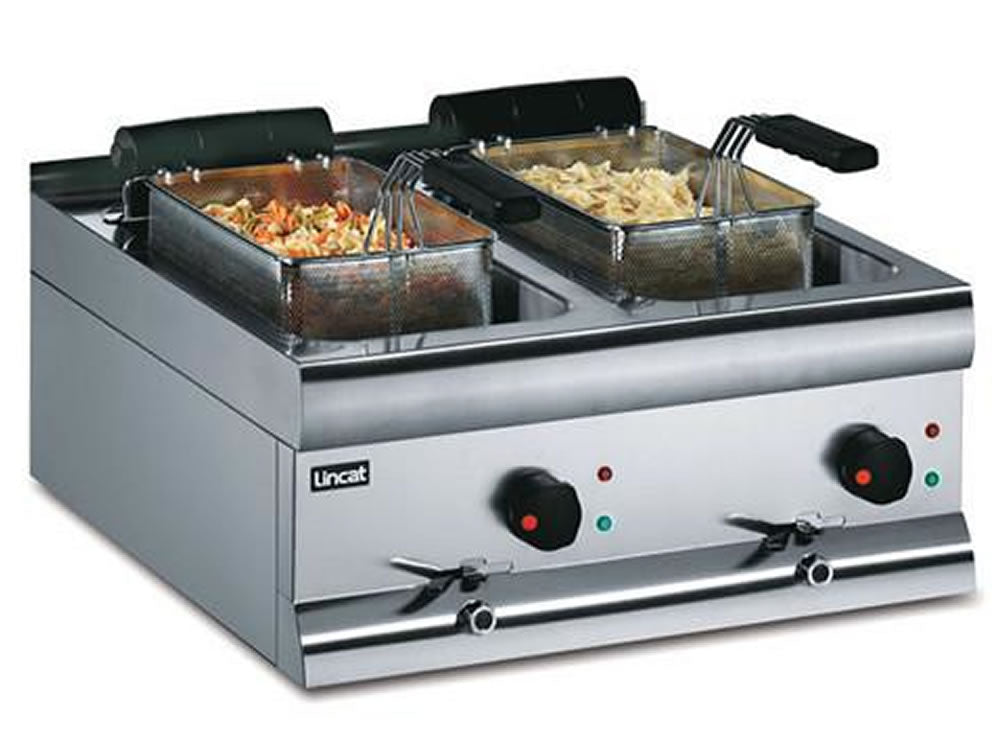
Product Description
The Lincat PB66 is a twin tank electric pasta boiler built for commercial kitchens where pasta features consistently on the menu. Each tank operates independently, which means different pasta types...
Specifications
- Capacity (litres)
- 22
- External depth (mm)
- 600
- External height (mm)
- 335
- External width (mm)
- 600
Product Description
The Lincat PB66 is a twin tank electric pasta boiler built for commercial kitchens where pasta features consistently on the menu. Each tank operates independently, which means different pasta types or portion sizes can be cooked at the same time — a straightforward advantage when orders vary during a busy service period.
In practice, the PB66 performs reliably under repeated use throughout a service. Thermostatic control keeps water temperature stable across successive batches, which matters for consistent results when you are turning around pasta dishes continuously. Recovery between portions is steady, and the independent tank arrangement means one side can be refreshed or rested without interrupting output from the other — a useful characteristic when demand is uneven across service.
Several design details reflect practical kitchen use:
- Front-mounted controls keep adjustments accessible without reaching across hot surfaces
- Hinging element with safety cut-out allows straightforward access for cleaning
- Front drain taps simplify water changes at the end of service without lifting the unit
- Stainless steel tanks and elements offer durability under regular commercial use
- Basket configurations can be adapted to different portion sizes and pasta types
As an electric unit, installation is generally simpler than a gas equivalent — no gas supply or flue to consider. You will need an appropriate power supply to support the unit's load, a stable worktop position, and drainage accessible nearby. Adequate extraction above the cooking area should also be confirmed before installation.
The PB66 is well suited to restaurants, hotels, and contract catering operations where pasta is a regular menu fixture and a reliable twin tank unit meets service demand without the complexity of a larger boiler. For very high-volume sites — large pasta-focused operations or high-throughput canteens — a heavier-duty model with greater combined capacity may be worth considering instead.
If you would like to talk through whether the PB66 is the right fit for your kitchen and service volumes, our team is glad to help you work that out before you order.
Key Features
- Twin independent tanks allow simultaneous cooking of different pasta types
- Thermostatic control maintains stable water temperature throughout service
- Hinging element with safety cut-out for straightforward tank access and cleaning
- Front drain taps enable water changes without lifting or repositioning the unit
- Stainless steel tank and element construction for durability under daily commercial use
Operational Benefits
- Independent tanks keep output running while one side is refreshed or rested
- Consistent water temperature delivers reliable, even results across successive batches
- Front-mounted controls reduce reach over hot surfaces during busy service
- Simpler installation than gas alternatives with no flue or gas supply required
- Adaptable basket configurations support varied portion sizes and pasta types
Specifications
- Capacity (litres)
- 22
- External depth (mm)
- 600
- External height (mm)
- 335
- External width (mm)
- 600
- Power rating (kw)
- 6
- Power type
- Electric 1 Phase
- Weight (kg)
- 30
Frequently Asked Questions
- Yes — the PB66 is designed for continuous use in kitchens where pasta is a regular part of the menu. The independent tanks allow you to maintain output throughout service, with one tank available to refresh or rest while the other continues cooking. For very high-volume operations running pasta as a primary output across multiple covers simultaneously, a heavier-duty model may be worth discussing with us.
- The PB66 requires a suitable electrical supply capable of supporting the unit's load — it is worth confirming your supply with a qualified electrician before installation. You will also need a stable worktop position, drainage accessible nearby for the front drain taps, and adequate overhead extraction above the cooking area. Because it is electric, there is no requirement for a gas connection or dedicated flue.
- The front drain taps allow you to empty each tank without lifting or repositioning the unit, which makes end-of-service water changes practical in a busy kitchen. The hinging element with safety cut-out gives direct access to the inside of the tank for cleaning without awkward disassembly.