
Moffat PPGAST Polar Plate for Focus Polar Chilled Display Units
Product Description
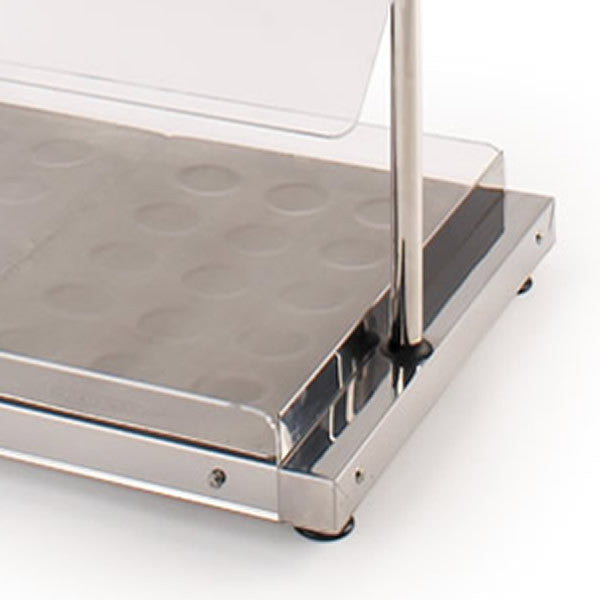
The Moffat PPGAST is a contact-chilling polar plate designed specifically for use with Moffat's Focus Polar range of chilled display units. It operates on a straightforward thermal storage principle —...
Specifications
Downloads
Product Description
The Moffat PPGAST is a contact-chilling polar plate designed specifically for use with Moffat's Focus Polar range of chilled display units. It operates on a straightforward thermal storage principle — frozen in advance, then placed into the display unit to provide a sustained cold surface during service, with no powered refrigeration connection required at the point of display.
The plate is deep-frozen before service, absorbing thermal energy that it then releases gradually once deployed. This gives a consistent chilled surface across a practical service window, making it a workable solution for cold buffet, salad bars, or light chilled display where a direct refrigeration feed is not available or not needed.
In operational terms, the key practical points are:
- Plates require deep freezing for 12 to 24 hours before service begins
- Once deployed, they provide a reliable chilled surface for approximately two hours of service
- Running plates in rotation extends service periods without any additional power at the display point
- No electrical connection is required during service
- Sized and designed for direct compatibility with Moffat Focus Polar display units
This approach suits operations where flexibility and a lighter footprint matter — mobile servery, event catering, or supplementary cold display in sites where running additional refrigeration is impractical. It does require disciplined preparation, though. Plates must be frozen well ahead of service, and longer buffet runs or higher-throughput events will need a rotation system to sustain the cold surface. For continuous or extended service periods, a fully refrigerated display unit may be the more practical choice.
If you are working out whether a polar plate setup will fit your service schedule, or want to discuss how many plates you would need for a given run time, the team is happy to talk it through with you.
Key Features
- Contact-chilling polar plate designed for Moffat Focus Polar display units
- Thermal storage design releases cold gradually across the service period
- Requires no powered refrigeration connection at the display point
- Compatible with rotation systems to extend service beyond two hours
- Deep-freeze cycle of 12 to 24 hours prepares plate for deployment
Operational Benefits
- Provides a chilled display surface without additional power at the servery
- Supports flexible, mobile buffet setups where fixed refrigeration is impractical
- Rotation system allows extended service runs with minimal additional cost
- Reduces infrastructure requirements for temporary or event-based cold display
- Keeps cold buffet and salad displays at a consistent surface temperature during service
Specifications
Downloads
Frequently Asked Questions
- Under typical conditions, a single plate provides a reliable chilled surface for approximately two hours once deployed from the freezer. For longer service periods, running plates in rotation — one in use whilst another returns to temperature in the deep freeze — is the most practical approach. The exact duration will depend on ambient temperature and how heavily the display is loaded.
- For a continuous buffet run, you will generally need at least two plates per display unit — one in service and one freezing in reserve. Longer events or high-ambient environments may benefit from a third plate in the rotation. It is worth planning your freeze-down time carefully, as plates need 12 to 24 hours in a deep freeze before they are ready for use.
- Polar plates work well for events where flexibility and a smaller footprint matter more than continuous refrigeration, and where cold display items are being replenished regularly rather than held for extended periods. For high-throughput events with long service windows or where consistent temperature control is critical, a fully refrigerated display unit is likely to be the more reliable solution. If you are unsure which approach suits your operation, it is worth discussing your service volume and schedule before committing.